A first visit should do more than tour the gym or sell a package. It should help you understand your starting point, define what you want training to change and leave with a clear recommendation.
Published July 23, 2023 · Updated August 18, 2026.
A better starting point: the Prestige Longevity Assessment
Prestige calls its comprehensive fitness starting point the Longevity Assessment because the goal is broader than one workout or one number. It connects physical measurements with the habits and context that influence what you can realistically do next.
The assessment is designed for adults across ages and starting points. It is not a medical diagnosis and it does not prescribe treatment. Its purpose is to give the fitness team a more complete baseline for an individualized personal-training recommendation.
What the five-part assessment explores
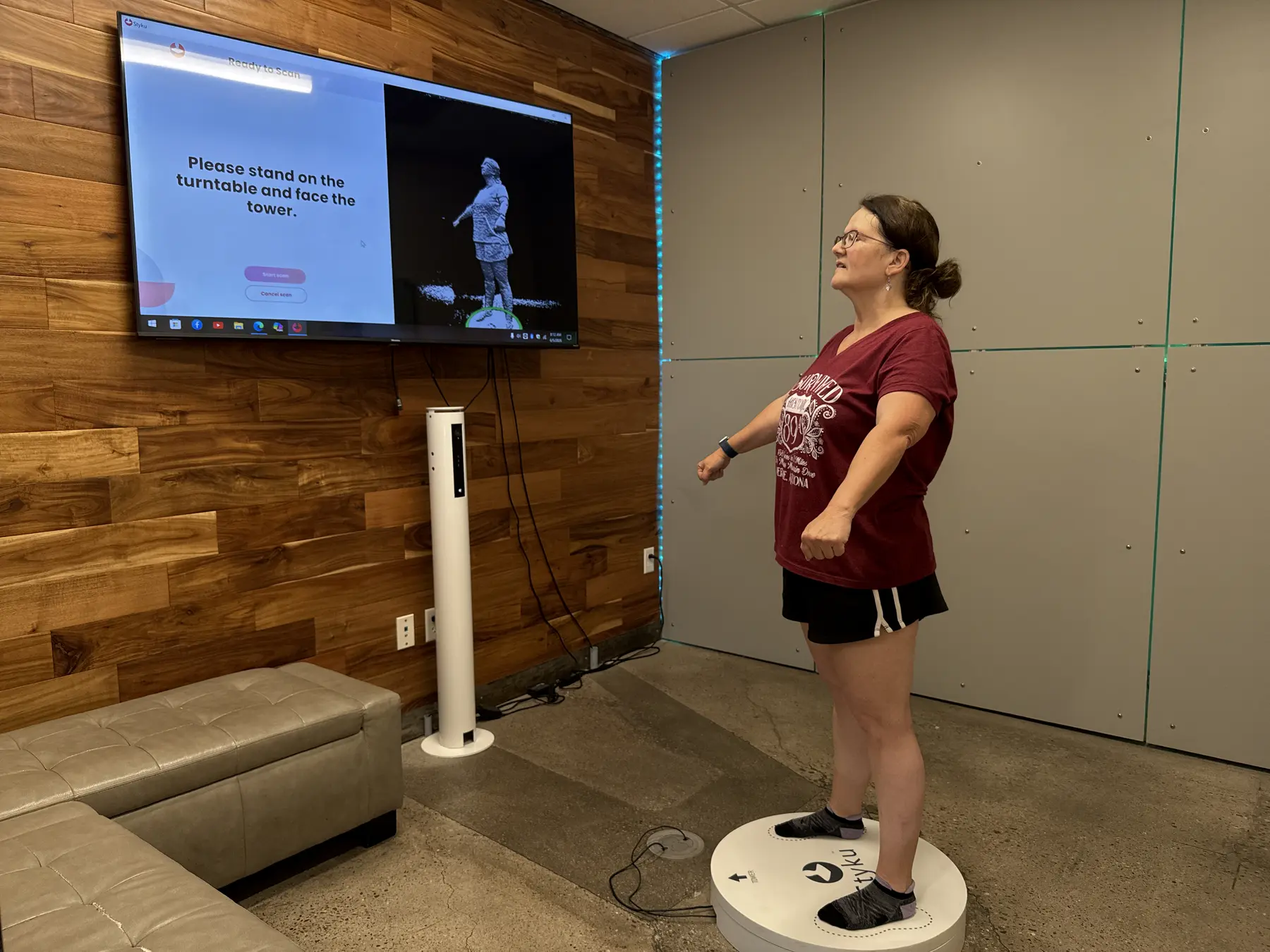
The five parts work together. A 3D body scan provides objective body measurements. Resting-metabolism testing helps establish an energy-use baseline. A full fitness assessment explores strength, movement and capacity. Lifestyle and nutrition assessments add the real-world context behind the numbers.
- 3D body scan
- Resting-metabolism test
- Full fitness assessment
- Prestige Edge lifestyle assessment
- Prestige Edge nutrition assessment
Why context changes the recommendation
Two people can share the same broad goal and need different plans. Training history, confidence, schedule, sleep, stress, food patterns, limitations and preferred activities all affect what is appropriate and what is likely to last.
That context helps the team prioritize. Personal training remains the central service for most clients; supporting services should be introduced only when they solve a specific problem in the plan, not presented as a confusing menu.
What you should leave knowing
A useful first visit should answer three questions: Where am I now? What matters most next? What will we measure to know the plan is working? You should understand the recommended training path, the reason behind it and what the next step involves.
If an assessment identifies symptoms or questions outside fitness scope, the right next step is an appropriate licensed healthcare professional—not a fitness diagnosis.
One useful takeaway
The value of a first visit is clarity: a connected baseline, a prioritized personal-training plan and a measurable next step.
Your first conversation is the first step into one-on-one personal training in Tucson. It takes place at our private training gym at 4490 N 1st Ave, a straightforward drive for clients coming from the Catalina Foothills.
Primary and public-health sources
Sources and further reading for the ideas discussed above.
- Current Physical Activity Guidelines for AmericansU.S. Department of Health and Human Services
- Adult Activity: An OverviewCenters for Disease Control and Prevention